Risk & Safety
The Most Expensive Property Risks Aren’t Always Insurance Problems
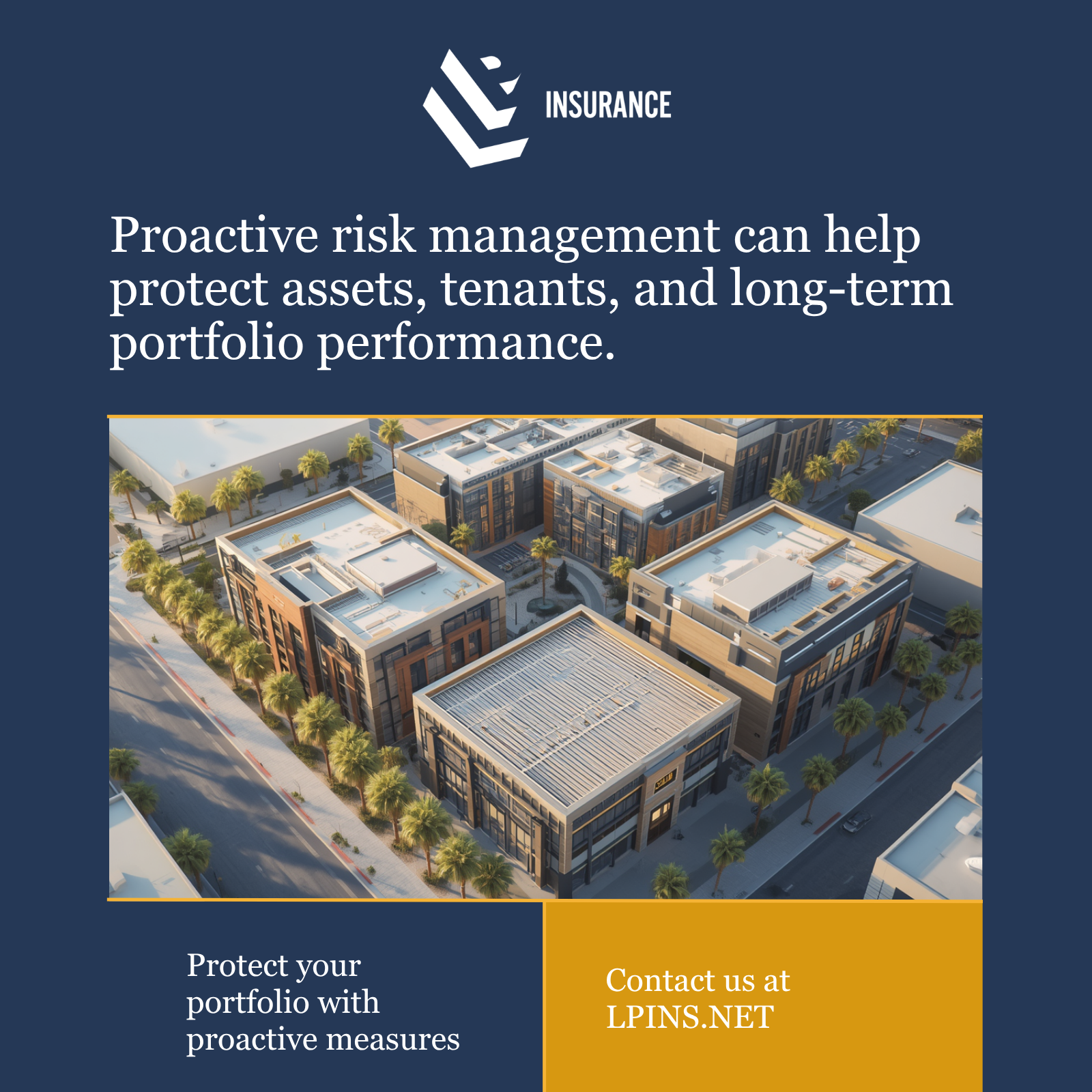
When commercial real estate owners think about risk, insurance is often one of the first things that comes to mind. And for good reason. Insurance plays a critical role in helping organizations recover from unexpected events and protect the assets they have worked hard to build.
But many of the most significant losses affecting commercial real estate portfolios today do not begin as insurance problems.
They begin as operational problems.
Water intrusion that goes undetected. Deferred maintenance that becomes a major repair project. Vendor oversight issues. Incomplete documentation. Aging infrastructure. Gaps in property valuations. Weak contractual risk transfer. These issues often develop slowly over time and can create substantial financial and operational consequences long before an insurance claim is ever filed.
In many cases, the largest losses are not caused by a single catastrophic event. They are the result of small issues that compound over time until they become costly disruptions.
“The biggest risks I see are rarely surprises,” says Sarmad Naqvi, Commercial Risk Advisor at LP Insurance. “They’re often operational issues that have been developing quietly for months or years. By the time they become claims, the real cost is usually much greater than the repair itself because of the disruption they create for tenants, ownership, and operations.”
Risk Management Is More Than Insurance
One of the biggest misconceptions in commercial real estate is that risk management and insurance are the same thing.
Insurance is a financial recovery tool. It helps transfer risk and provides resources to recover after a covered loss occurs.
Risk management is broader. It focuses on identifying, evaluating, and addressing exposures before they result in claims, business interruption, tenant issues, or unexpected expenses.
The most resilient property owners understand that insurance and risk management work together. One helps prevent losses. The other helps recover from them.
Operational Discipline Matters
Across the commercial real estate market, insurers are placing greater emphasis on operational practices when evaluating accounts.
Underwriters increasingly review factors such as:
- Property maintenance programs
- Building condition and age
- Water damage prevention measures
- Vendor management practices
- Claims history and loss trends
- Property valuations
- Emergency response planning
Organizations that demonstrate strong operational discipline are often better positioned to secure favorable underwriting outcomes and maintain long-term insurability.
More importantly, they are often better positioned to avoid losses in the first place.
“The strongest property owners don’t look at insurance as a once-a-year exercise,” says Naqvi. “They think about risk throughout the year—when they’re evaluating a new acquisition, planning capital improvements, reviewing vendor relationships, or making decisions that affect the long-term performance of an asset.”
By taking a proactive approach, property owners can better understand where exposures exist, prioritize resources effectively, and reduce the likelihood that operational issues become costly claims.
The Bottom Line
Insurance remains an essential component of any real estate risk management strategy. But the most expensive property risks are often not insurance problems at all.
They are operational challenges that, when left unaddressed, eventually become insurance claims.
“Our goal at LP is to help clients identify potential issues before they become losses,” says Naqvi. “Insurance is an important part of the strategy, but protecting a portfolio requires a broader view of risk, operations, and long-term business objectives. When we understand where a client is headed, we can help them make more informed decisions that support both resilience and growth.”
Because the best risk management conversations happen before a loss occurs.
Contact LP Insurance to discuss how proactive risk management can protect your commercial real estate portfolio.